Ten Tiny Moves for Flare-Up Days (No Workout Required)
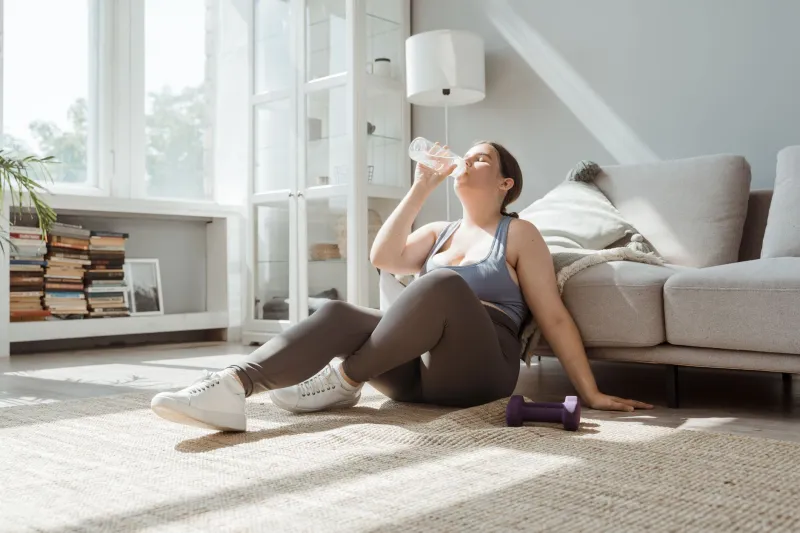
Flare-up days have a way of shrinking the world. The sofa becomes your base, the hot water bottle becomes a limb, and the idea of exercise can feel like a bad joke. At EndoLifter, we think movement should meet you where you are — not where you were last week. So this is not a workout plan. It is a pick-and-mix menu of two-minute movement snacks you can try from bed, the sofa or the kitchen counter. Some are for circulation, some are for your nervous system, and some are simply a way to change position. Use one, use none, or use the same one three times. You are not behind.
How to use this menu
- Set a two-minute timer. When it goes, stop — even if you feel okay. The aim is to stay under your pain threshold, not to test it.
- Choose by energy, not guilt. If you are wiped out, pick a bed-based option. If you are restless, try a standing one.
- Keep the bar low. No gym kit, no mat, no clearing the living room floor.
- Start with your nervous system if you feel tense. Slow breathing or gentle rocking can settle the body before you add movement.
- Stop early if pain sharpens, you feel dizzy or sick, or something just feels wrong. Rest is a valid response.
- If a flare is unusually long, severe or comes with new symptoms, speak to your GP or endometriosis specialist. In the UK, NHS 111 can help if you are unsure where to go.
The ten movement snacks
1. Bed-based ankle pumps
Lie on your back or side. Slowly point your toes away, then flex your feet back towards you. Repeat 10 to 15 times. It sounds tiny — and it is — but it gives your lower legs something to do if you have been curled up for hours.
2. Knee rocks on the sofa
Lie on your back with knees bent and feet flat. Let your knees rock gently side to side like windscreen wipers, keeping the movement small. Do five to eight slow rocks. This can ease lower-back stiffness without asking much of your pelvis.
3. Seated spinal roll
Sit at the edge of a sofa or chair with your hands on your thighs. Slowly round your spine forward, then lengthen back up. Move as if you are moving through honey. Repeat three to five times.
4. Kitchen counter calf raises
Hold the kitchen counter for support. Rise onto the balls of your feet, then lower slowly. Do five to ten. This is a gentle circulation boost, but skip it if you feel light-headed.
5. Wall press
Stand an arm's length from a wall with your hands at shoulder height. Bend your elbows to bring your chest towards the wall, then press back. Do five to eight slow reps. It is a low-pressure way to wake up your upper body.
6. Hand-on-belly breathing
Lie down or sit back. Put one hand on your belly and breathe in slowly, letting the hand rise. Breathe out for longer than you breathe in. Do five breaths. This is movement for your nervous system, and it counts.
7. Side-lying leg lifts
Lie on your side with your legs stacked. Lift the top leg a few centimetres, then lower it. Do five on each side if it feels comfortable. Keep the range small and the pace slow.
8. Sofa sit-to-stand
Scoot to the edge of the sofa. Stand up and sit back down slowly, using your arms to push off if you need to. Do three to five reps. This is a real-life strength move disguised as getting off the sofa.
9. Seated marching
Sit tall in a chair and march your knees up and down alternately for 30 seconds. Or stand and march gently in place if you feel steady. It is simple, but it can shift stagnant energy.
10. Kitchen counter hip hinge
Place your hands on the counter and stand with feet hip-width apart. Push your bottom back as you hinge forward from the hips, then return. Do five slow reps. It can feel lovely for a stiff lower back.
Pacing tips for flare-up days
Think of movement as sprinkles, not a layer cake. One snack after your pain relief kicks in. One after a cup of tea. One before you settle on the sofa for the evening. Spreading tiny moves through the day is often kinder than doing a block of exercise and paying for it later.
It also helps to have a flare-day kit within reach: water, medication, a heat pack, a snack and your phone. If you are trying a movement snack, keep the timer close and give yourself permission to abandon the plan halfway through. Consistency on flare days is not about doing more. It is about staying connected to your body without bullying it.
When to stop and rest
Stop if pain increases, especially if it becomes sharp or different from your usual endo pain. Stop if you feel dizzy, faint, sick or breathless. Seek urgent medical advice if you have chest pain, severe abdominal pain, heavy bleeding, or new numbness or weakness. Those symptoms are not a cue to push through.
Rest is not the opposite of movement. It is part of the same plan. On some days, the most useful movement snack is simply changing position, sipping water and letting your body recover. That still counts. You are still looking after yourself.
The bottom line
Movement does not have to be a workout to matter. Two minutes of ankle pumps, a few slow breaths or one sit-to-stand can be enough to break up a long flare day. Start small, stop often, and let your body lead. EndoLifter is here for the days when strength looks like getting to the kettle — and for the days when it looks like a gym session. Both are valid.