The Coil Is In: A Gentle Return-to-Strength Timeline for Endo Bodies

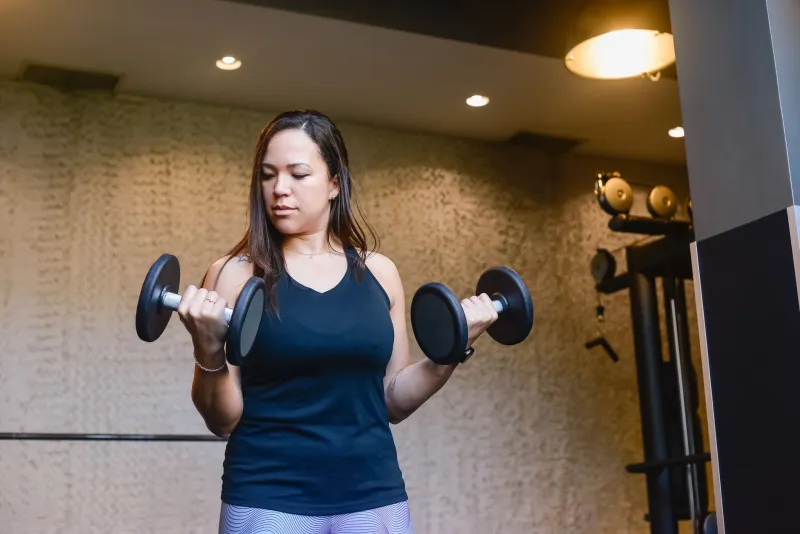
Photo by Photo by Vitaly Gariev on Unsplash on Unsplash
You didn't ruin your progress by getting a coil fitted
Getting a hormonal IUD — often called a coil — is one of those appointments that sounds straightforward on paper and then turns out to involve a speculum, some deep breathing and a cramp that feels like a small, angry gremlin. If you lift weights, run, or just enjoy feeling strong in your body, it's completely normal to wonder what happens next. Do you take a week off? A month? Do you cancel your gym membership and take up gentle strolling forever?
No. You don't need to throw your training plan out with the speculum. You do need a bit of realism, a hot water bottle and permission to scale things back while your body settles.
This is a guide, not a medical rulebook. Your GP, sexual health clinic or the clinician who fitted your coil knows your history. If anything feels off, ask them. But if you're sitting on the sofa googling "can I squat after my coil fitting" at 10pm, this should help you stop spiralling.
Before the appointment: keep it boring
You don't need to "bank" a massive workout the day before your fitting. Some people find a hard session leaves them feeling wiped or crampy, which is the last thing you want on appointment day. Others feel absolutely fine. The middle ground is simple: do something normal, not heroic. A steady walk, a light upper-body session, or your usual mobility work is plenty.
If you use a gym, pack loose clothing and a pad in your bag for afterwards. The clinic will usually give you one, but having your own means you're not doing the awkward waddle of shame to the nearest pharmacy. Take paracetamol about an hour before if your clinician is happy for you to do so, and eat something. Fainting on a clinic floor is not the strength-building milestone you're after.
The first 48 hours: cramps are not a workout cue
After a fitting, cramping and spotting are common. Your uterus has just been persuaded to accept a small plastic T-shaped houseguest. It may complain. For the first day or two, movement should be comfort-led. That means walking to the kettle, gentle stretching if it feels good, and lying down with a hot water bottle if that's what your body wants.
This is not a setback. Rest is part of the training cycle. You are not "losing gains" in 48 hours. You are giving your body a quiet patch so it can get on with the business of settling. If you have severe pain, heavy bleeding, a fever, smelly discharge or feel faint, contact NHS 111, your GP or the clinic where you had it fitted. Those symptoms are not a "push through it" situation.
When the cramps are the loudest voice in the room
Once the initial cramping eases, you might still get waves of period-style pain, especially in the first few weeks. This is where you scale, not stop. Think of your session as a dial, not a switch. Turn the volume down rather than turning it off completely.
A simple scale might look like this:
- Green day: cramps are mild and you feel steady. Do your normal session but keep one or two reps in reserve.
- Amber day: cramps are noticeable but manageable. Swap heavy lifts for bodyweight or bands. Shorten the session to 20 minutes. Avoid holding your breath and bracing hard — gentle breathing through effort is your friend.
- Red day: cramps are sharp, you're bleeding heavily, or you feel dizzy. Rest, walk, or do nothing. That's still a valid choice.
If you're doing strength work, pay attention to intra-abdominal pressure. Heavy squats, deadlifts, or anything that makes you clench your whole midsection like you're bracing for impact can feel grim when your uterus is already grumpy. Swap them for supported versions: sit-to-stands, glute bridges, banded rows, or a short walk. You are still training. You're just not picking a fight with your pelvis.
Spotting, bleeding and the "is this normal?" question
Irregular spotting is common after a hormonal coil fitting, and it can hang around for weeks or even a few months while things settle. The NHS is clear that this is often expected, but it's still worth knowing your own baseline. If you're soaking through a pad an hour, passing large clots, or feeling lightheaded, get medical advice promptly.
For training, bleeding doesn't automatically mean bed. If you feel well, a gentle session is fine. Wear what makes you comfortable, use a pad or period pants if that helps, and don't feel obliged to do anything that makes you feel exposed or miserable. If you usually train in leggings that show every leak, maybe choose darker colours and a longer top. Practical beats brave.
Your first session back: start smaller than you think
When you're ready to return to strength work, aim for a session that feels almost too easy. That's not a wasted workout; it's a calibration. Try 10 to 15 minutes of gentle movement: a few bodyweight squats to a chair, some banded rows, a light carry around the garden, or a short walk with a few stair climbs.
The next day, check in. If cramps are no worse and you feel okay, you can add a little more next time. If you're sore in a way that feels like a flare rather than normal muscle fatigue, pull back. The goal is to build a pattern of trust: movement, rest, recheck. Not to prove you can smash a personal best seven days post-fitting.
A realistic timeline for many people looks like this: first 24–48 hours very light movement; days three to seven gentle walking and mobility; week two onwards, start adding light strength work if cramping and bleeding are settling. Some people bounce back quicker. Some take longer. Both are normal. Your coil doesn't come with a stopwatch.
If the coil and your training don't get along
Sometimes the coil settles beautifully and you're back to normal within a fortnight. Sometimes you get cramps that linger, mood changes, or spotting that drags on. If your training is consistently derailing because of pain or bleeding, go back to your clinician. You are not being a nuisance. You are gathering information.
Ask about checking the threads, whether your symptoms are expected, and what your options are. In the UK, you can usually return to the clinic that fitted it, your GP, or a sexual health service. Bring a note of what you've noticed — dates, bleeding, pain levels, what training you tried. It helps.
The comeback is not a straight line
Strength training after a coil fitting is not a test of toughness. It's a negotiation between you, your uterus and a small plastic device that didn't ask for your consent. Some days you'll feel strong and capable. Some days you'll want a hot water bottle and a nap. Both are allowed.
The point is not to rush back to exactly where you were before. The point is to keep the door open. Ten minutes of gentle movement counts. A short walk counts. Resting on a flare day counts too. Your strength isn't going anywhere — it's just waiting for you to meet it where you are.